

How to build D2C product pages that answer buyers' questions
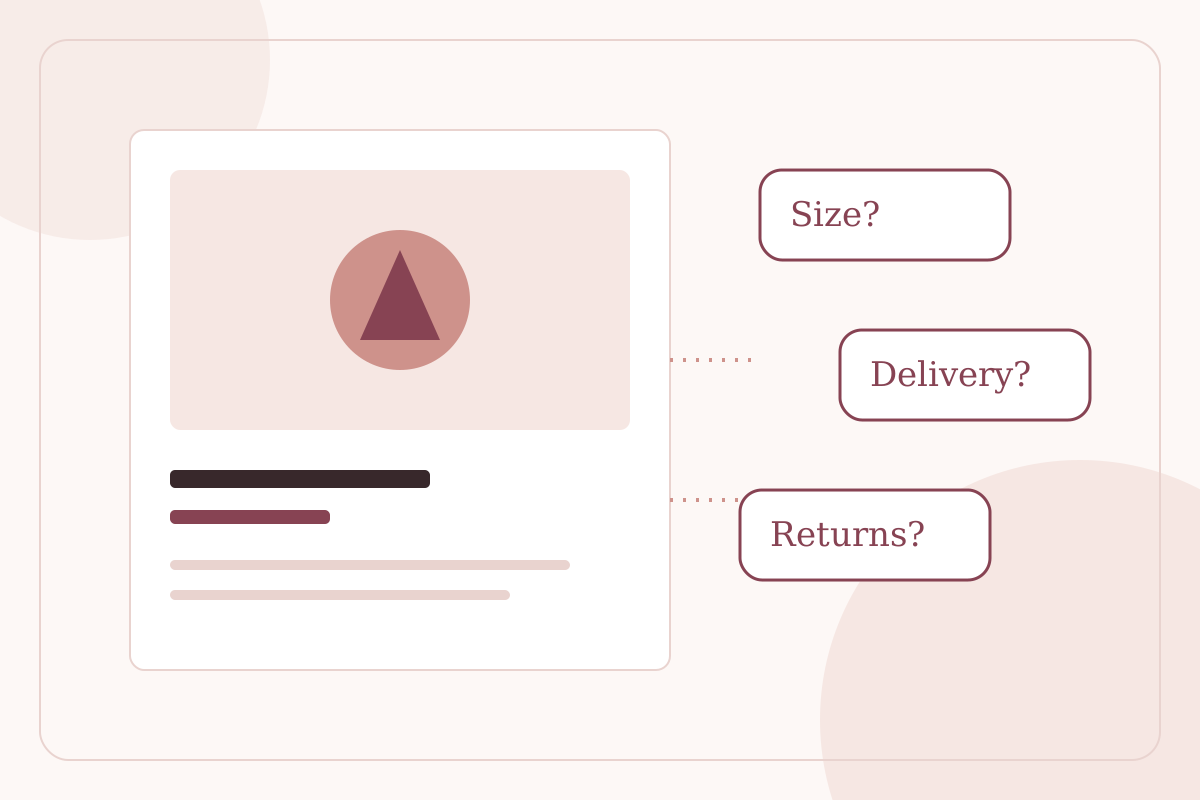
A good product page reduces uncertainty. It tells a buyer what the product is, whether the selected option is available, what it costs and what to expect after ordering. Persuasion works best when the underlying information is specific and accurate.
By LeBrands.Store editorial team
Key takeaways
- Lead with a clear product title and real product information.
- Keep SKU options distinct from descriptive attributes.
- Make price, availability and policy links easy to find.
Start with identity and purpose
Write a title that describes the product rather than a string of promotional adjectives. A buyer looking for a linen shirt needs to recognise the garment, fabric and relevant style quickly. Collection names and campaign slogans can add personality, but they should not hide the item being sold.
The opening description should explain the intended use and the most important differentiator in plain language. Replace claims such as 'best quality' with facts the business can substantiate: material, construction, dimensions, included accessories or care requirements. Avoid medical, performance or sustainability claims without appropriate evidence.
Separate buying options from useful details
A variant changes what the customer receives, such as size or colour. A descriptive attribute explains the product, such as neckline, fabric composition or care instructions. Keeping these roles separate helps prevent accidental SKU proliferation and makes selection clearer.
Show the price and availability for the selected SKU. Buyers should not discover only after pressing Add to bag that their option is unavailable. Keep essential details near the purchase decision, while grouping longer technical specifications into readable sections.
- Use consistent units for weight, length and capacity.
- List package contents explicitly.
- Explain fit or compatibility where it affects the purchase.
Use images as evidence, not decoration
The main image should make the actual product easy to recognise at a small size. Supporting views can show scale, texture, construction and use. For apparel, a detail shot and a useful fit view often answer different questions; repeating the same angle does not.
Represent colour and included items honestly. A styled photograph can suggest accessories that are not part of the purchase, so state what is included. If images are illustrative or digitally modified in a way that changes the product's appearance, review the risk of misleading the buyer before publication.
Support the final decision and product discovery
Keep the buying action visible without crowding price, option selection or important notices. Use genuine delivery and return information rather than invented urgency or unsupported trust badges. Link to the relevant policy so shoppers can understand the conditions before ordering.
A readable product URL and a descriptive page title help people recognise a shared link. Preserve established links when editing a title. Search optimisation should clarify the page's subject, not turn the description into repeated keywords. The product record, structured data and visible page should describe the same item.
Frequently asked questions
Should every product detail become a variant?
No. Create variants only for differences the customer can select that affect the sellable item. Keep other information as descriptive attributes.
Can a stronger headline replace detailed specifications?
No. Headlines attract attention, while specifications help buyers check suitability. Both should be truthful and consistent.
Keep reading

A product photography and media guide for a consistent D2C catalogue
Plan product images and videos, review 4:5 crops, write useful alternative text and balance visual quality with storefront performance.
Read the guide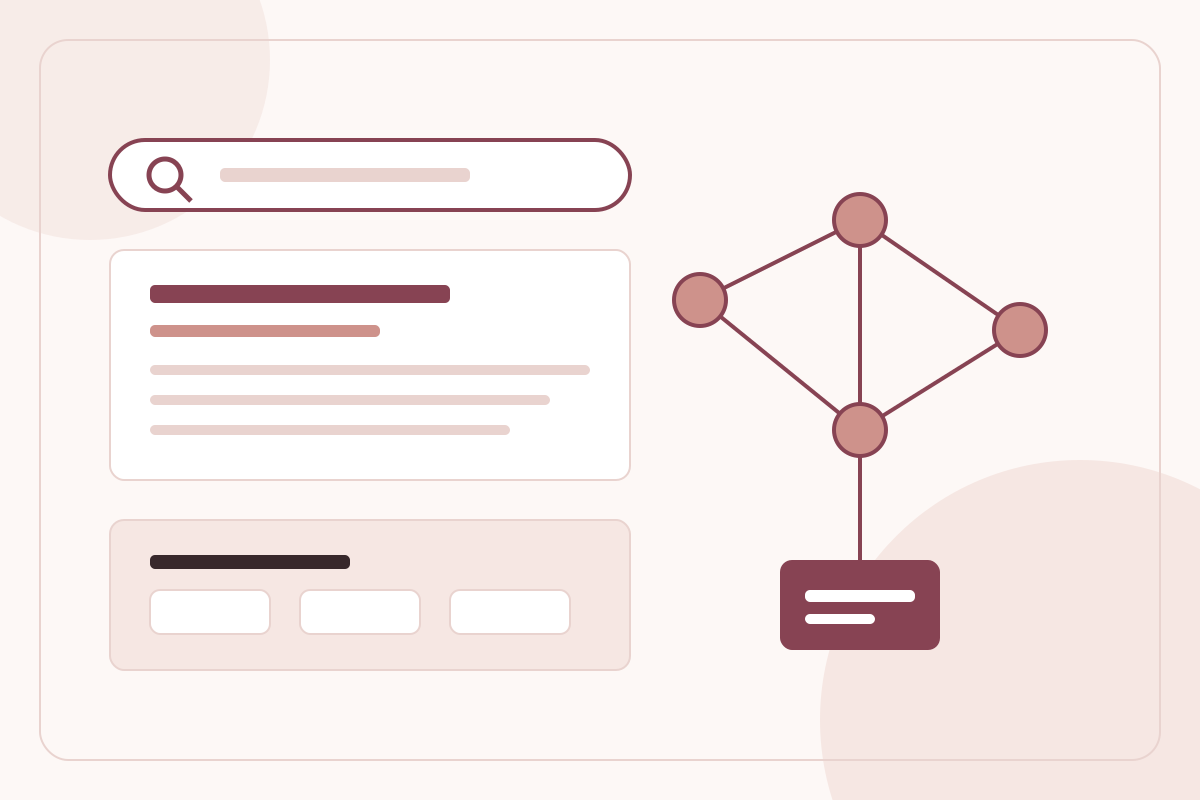
Ecommerce SEO and AI-readable content: structure useful pages first
Build readable product and editorial pages with clear headings, metadata, internal links, accurate structured data, sitemaps and llms.txt.
Read the guide