

Cash on delivery and RTO: build a clear operational workflow
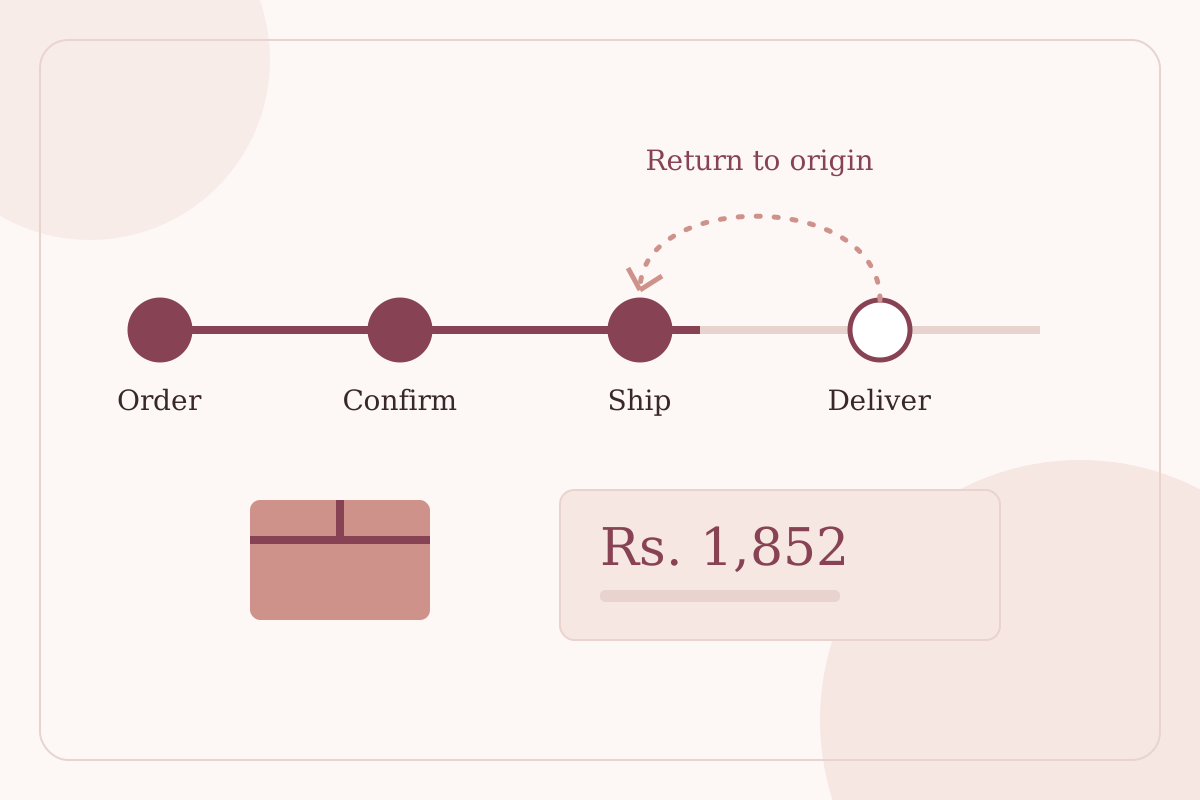
Cash on delivery can make a purchase accessible to buyers who prefer paying when their order arrives. It also creates operational responsibilities that are different from prepaid orders. Clear records help the team distinguish order confirmation, dispatch, delivery, payment collection and return to origin.
By LeBrands.Store editorial team
Key takeaways
- Do not treat a confirmed COD order as money already collected.
- Review address and contact quality before dispatch.
- Track fulfilment outcomes and actual costs separately from revenue.
Separate an order from collected money
A confirmed cash-on-delivery order records a buyer's request and the expected payable amount. It is not proof that the business has received funds. Keep order status, shipment status and payment status conceptually separate so staff do not confuse an accepted order with a settled sale.
Review any COD availability rules, order-value limits and delivery charges shown to the customer. The buyer should see the final amount due on delivery before placing the order, not discover a new collection fee when the courier arrives.
Create a repeatable pre-dispatch review
Confirm that the selected SKU is available and the address contains the information needed to find the recipient. Email verification confirms access to the supplied mailbox, while the delivery phone number supports fulfilment contact; neither proves that the shopper will accept a parcel.
Use proportionate verification practices and respect customer privacy. If the team needs clarification about an incomplete address, ask for it through the published support process. Avoid promising guaranteed reductions in returns from any single check.
- Check product, option and quantity against the order.
- Review address completeness and the buyer's contact details.
- Record the actual dispatch and tracking information when available.
Distinguish RTO, customer returns and refunds
Return to origin generally means a shipment comes back without completed delivery to the customer. A customer return happens after delivery under the applicable policy. The two outcomes have different inventory, payment and support consequences, so combining them into one vague 'returned' state can hide operational issues.
For a COD RTO where no payment was collected, do not invent a refund transaction. If a payment or partial collection exists, reconcile the actual evidence. Inspect returned stock before making it available for sale again, especially where condition, hygiene or packaging affects resale.
Measure outcomes with a complete cost picture
Review COD acceptance, dispatch, delivery and RTO outcomes over a defined period. Include shipping, reverse shipping, packaging and handling where they are known. Use consistent definitions and avoid comparing figures produced from different order populations.
A future logistics connection can automate parts of shipment creation or status updates, but those capabilities should be described only after a partner is connected and the workflow is supported. Until then, maintain accurate records and communicate the limits of manual tracking to the team.
Frequently asked questions
Is a confirmed COD order a paid order?
No. Confirmation records the order. Payment collection and settlement must be established separately.
Does RTO always require a refund?
No. If no money was collected, there may be no payment to refund. Reconcile actual collections and applicable charges before acting.
Keep reading

Checkout trust: clear totals, verified email and a useful order receipt
Explain checkout totals, email verification, address assistance and order confirmation without confusing payment status or collecting unnecessary data.
Read the guide
COGS and product margin: understand what a D2C sale earns
A clear introduction to product costs, gross margin, contribution costs and historical accuracy for independent D2C brands.
Read the guide