

COGS and product margin: understand what a D2C sale earns
Revenue is not the same as profit. Recording product cost helps a brand understand the effect of pricing and promotions, but useful margin analysis also depends on clear definitions. Start with reliable cost inputs and keep product margin distinct from the business's overall profitability.
By LeBrands.Store editorial team
Key takeaways
- Record a consistent cost basis for the product or SKU.
- Compare selling value and cost on a like-for-like tax basis.
- Treat shipping, fees, advertising and returns as additional costs where applicable.
Define the cost you are recording
Cost of goods sold, or COGS, refers to costs assigned to the goods sold. The exact accounting treatment depends on the business and its policies. A purchased item's acquisition cost and a manufactured item's production cost may be assembled differently, so document the basis used.
Avoid mixing an estimated manufacturing cost for one product with a supplier invoice value including recoverable tax for another without explanation. If costs are maintained per SKU, check that each variant is assigned the right value. An optional cost field left blank should be treated as unknown, not assumed to mean the product costs nothing.
Use a simple margin example carefully
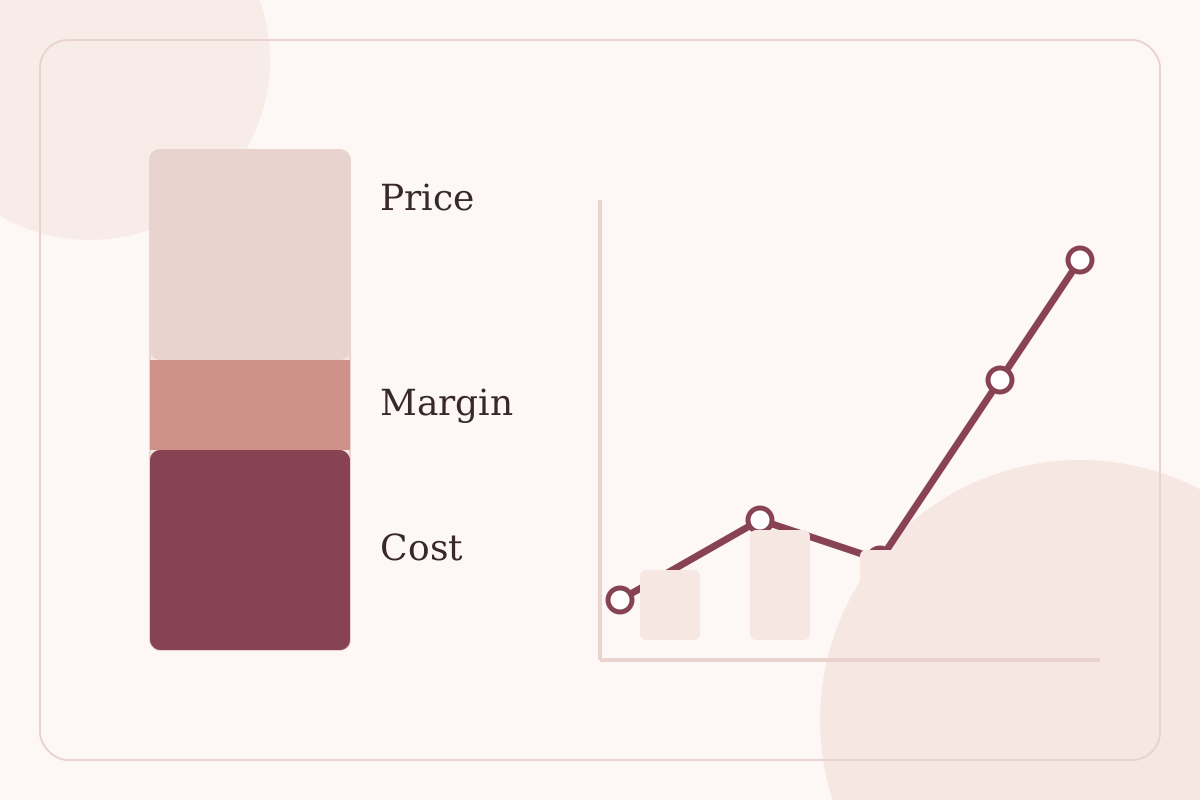
Suppose a product's net selling value is INR 1,000 and the relevant product cost is INR 600 on the same tax basis. The difference is INR 400, giving a gross margin of 40 percent of the selling value. This is an illustrative calculation, not a suggested price or platform fee.
Markup is different: INR 400 divided by the INR 600 cost is approximately 66.7 percent. Confusing markup with margin can lead to a price that misses the intended target. Discounts also change the calculation, so use the actual selling value after the applicable saving.
Move from gross margin to a fuller view
Payment-processing fees, shipping, packaging, handling, reverse shipping and advertising may affect the contribution from an order. Their accounting classification and allocation should be consistent. A product can show a positive gross margin while a campaign loses money after acquisition and fulfilment costs.
For COD, include the operational consequences of delivery failures where the relevant cost data exists. Do not label a rough product-cost difference as final net profit. If a report cannot account for a cost, state that limitation rather than implying the missing value is zero.
Keep cost changes and historical reporting separate
Supplier prices and production costs change. Record the effective cost information prospectively and preserve whatever cost evidence was captured for completed transactions. Editing today's product cost should not silently recast a past order as having used that same cost.
Use the Catalogue cost workflow to improve the quality of future records, then interpret analytics according to the data actually available. Before exporting or sharing a report, check its date range, order statuses, treatment of returns and whether missing costs are explicitly identified.
Frequently asked questions
Is a blank product cost the same as zero COGS?
No. It means the cost is unknown unless the business explicitly records a genuine zero cost.
Is gross margin the same as net profit?
No. Gross margin does not necessarily account for payment fees, shipping, advertising, overhead or other costs.
Keep reading
Discount codes versus automatic offers: a practical D2C guide
Learn how coupon codes differ from automatic discounts, why checkout can reject a typed code and how to review savings, eligibility and margins.
Read the guide
Cash on delivery and RTO: build a clear operational workflow
A practical Indian D2C guide to COD order review, fulfilment communication and return-to-origin records without misleading payment or refund states.
Read the guide