

What happens before a LeBrands.Store draft becomes a live store
Publishing should mean more than making a preview visible. LeBrands.Store separates business-document approval, tax identity, contact details, policy review and design readiness so a founder can see what each checkpoint proves and what it does not.
By LeBrands.Store editorial team
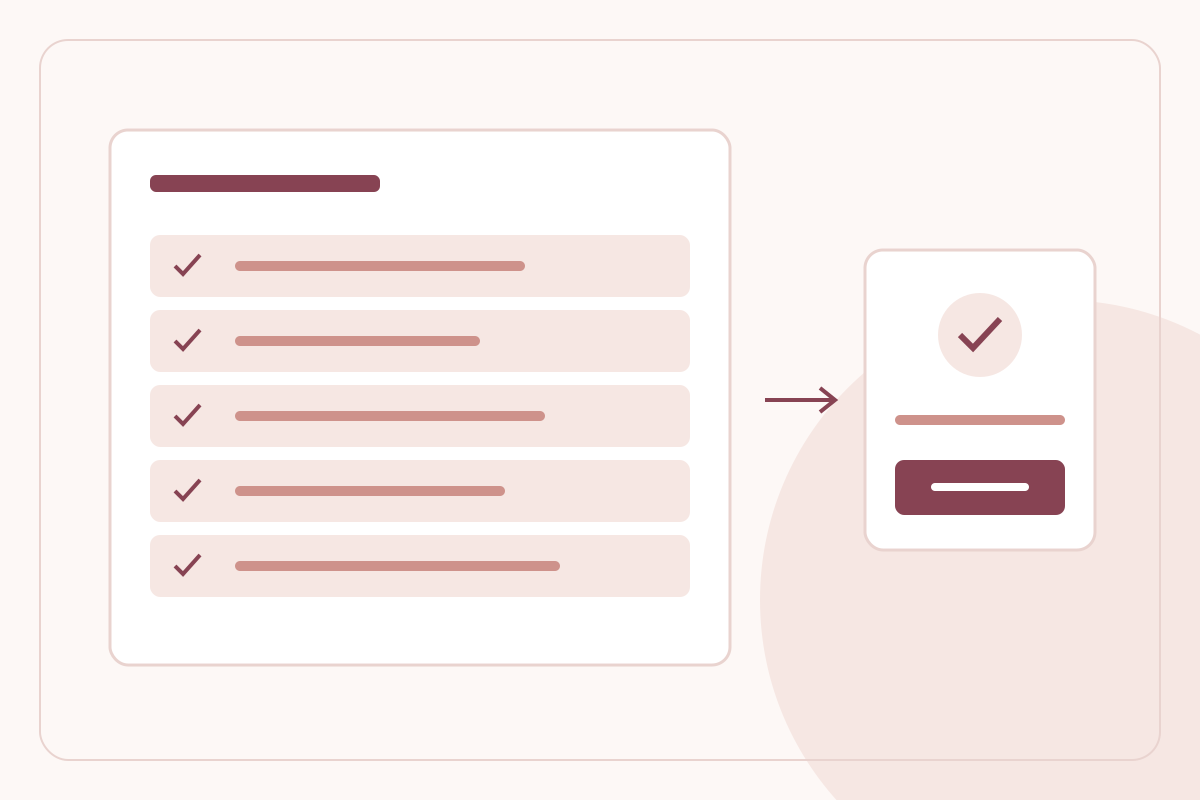
Key takeaways
- Business evidence review and GST verification are separate checks.
- Generate, edit and review policy drafts within the final review flow.
- A chosen plan and a saved design do not override the publication checks.
Know what business-document review establishes
Business-document submission collects registration evidence for manual review. The evidence required depends on the business country and registration context. Uploaded documents remain private; the fact that a file was accepted for upload or passed security screening is not the same as a reviewer approving the business.
Read the document status shown in the business-details flow rather than assuming that submission means approval. A merchant can continue preparing a design while a standard review is unresolved, but the publication checkpoint still needs the applicable approval. This keeps design work productive without turning a document-upload event into permission to go live.
Verify tax details independently of the design
For an Indian GST-registered business, GST verification provides a legal identity and registered address that need careful confirmation. These details serve financial and publication purposes; they are not simply a heading to restyle. A verified number should match the business context and the required state information.
Business-document approval does not change tax treatment, enable payment collection or authorise a different invoice identity. Likewise, choosing a subscription does not verify the business. Treat each checkpoint according to its purpose, and seek qualified professional guidance where your registration or invoicing obligations need interpretation.
Make contact details and policy drafts useful
The final review includes customer-facing contact details and policy drafts. Complete support email and phone information with channels the team actually monitors. Where the review requests business basics, resolve the specific missing facts there instead of treating a generic readiness message as confirmation that everything has been supplied.
Generate policy drafts from the saved business context, then read and edit the text inside the review. The set covers privacy, terms, shipping, cancellation and refunds, contact and pricing. Generated content is a starting point for the merchant's review, not legal advice or proof that the actual operation follows those statements.
Check real products as well as visual readiness
Review the saved theme and at least one complete real product before publication. Confirm the title, media, price, options and available stock. An attractive showcase containing illustrative products is not a substitute for a catalogue that can fulfil a real customer purchase.
A preview can show shopping as unavailable when it is not a live purchase surface or when the relevant readiness checks are incomplete. Do not interpret that label as a reason to bypass business or catalogue requirements. Use the review's specific conditions to understand which part of setup needs attention.
Keep plan acceptance distinct from going live
The Free plan's 30 live days start at the first successful publication. Naming a store, choosing Free and saving a design do not start that clock. The allowance covers 100 published products and 1,000 published SKUs, without LeBrands.Space placement, subject to the offer applicable to the store.
When the checks are satisfied, publication is an explicit action rather than a side effect of generating copy or editing a contact field. After going live, review the public store on a phone: navigation, product selection, cart, checkout identity, policies and support information should all tell the same, accurate story.
Frequently asked questions
Does document security screening mean the business is approved?
No. File security screening and manual business-document approval are separate steps.
Do generated policies automatically count as reviewed?
No. The merchant must read, edit as needed and explicitly review each policy. Generation is not legal approval.
Keep reading
How Ann turns your store brief into a LeBrands.Store draft
Explore LeBrands.Store's Ann builder: store naming, plan review, business details, theme choices, inline text editing and saved draft review.
Read the guide
GST invoice readiness for an Indian online store
Understand the business details, product tax classification and historical records an Indian D2C brand should review before issuing GST invoices.
Read the guide