

Razorpay payments and delivery operations for a D2C store
Payment collection and parcel delivery are connected parts of the customer experience. Use clear order records to connect Razorpay transactions, delivery partner activity and customer communication without confusing a confirmed order, a dispatched parcel and a settled payment.
By LeBrands.Store editorial team
Key takeaways
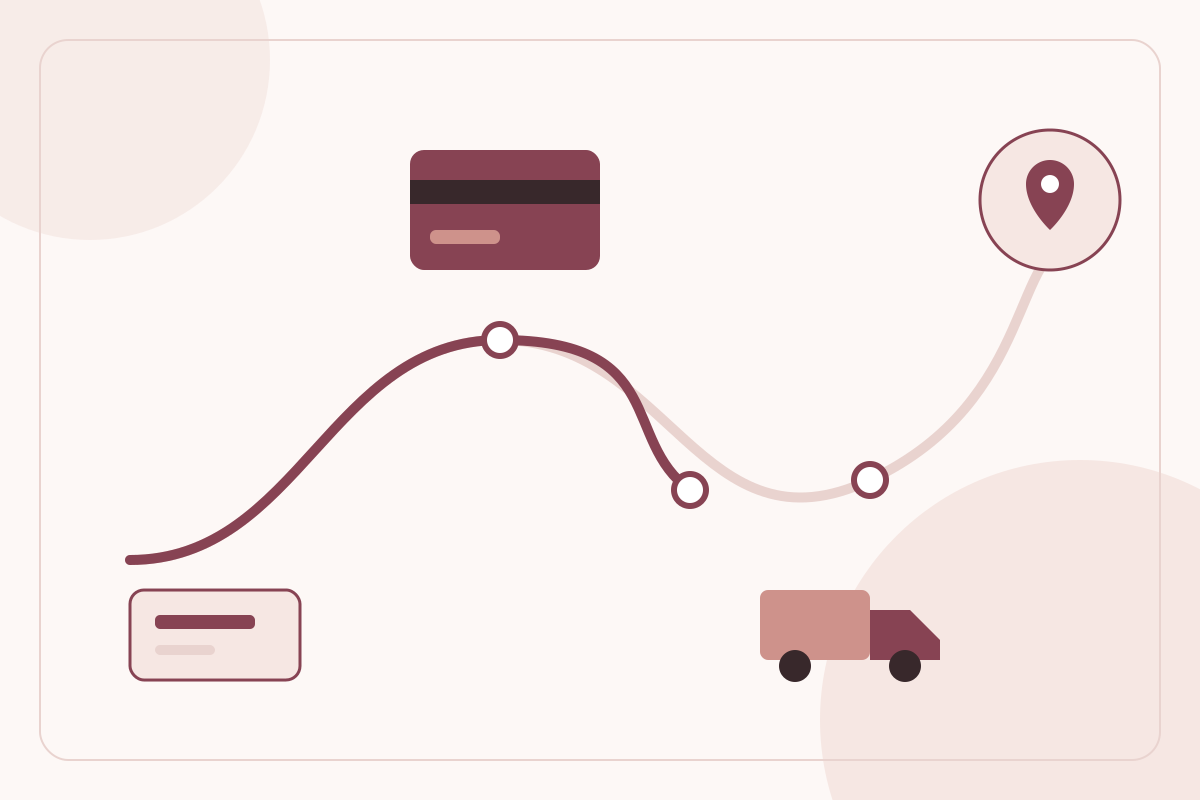
- Reconcile Razorpay payment evidence with the correct order.
- Use delivery partner records to distinguish dispatch, delivery and returns.
- Track COD collection and settlement separately from shipment events.
Connect the payment to the correct order
Razorpay payment records help a merchant identify the transaction associated with an order. Keep the order reference, payable amount, currency and provider payment identifier together. An integration is useful when the team can trace a customer enquiry back to clear payment evidence rather than relying on a screenshot or an informal confirmation.
Keep the store's customer-order payments distinct from its own platform subscription payments. They involve different purchasers, amounts and accounting records. A clear separation makes support and reconciliation easier, particularly when the merchant is handling cash-on-delivery orders alongside online transactions.
Keep provider access secure and accountable
Use the provider's authorised account controls to manage access and permissions. Keep account credentials out of customer conversations, public pages and shared product documents. An employee who can prepare a shipment does not automatically need authority over payment settlements or sensitive account configuration.
Review access when a team member changes roles or a provider account changes ownership. Maintain a simple record of who owns payment and delivery operations inside the business. That ownership helps the team investigate a failed transaction or delayed parcel without passing the customer between unrelated departments.
Distinguish a payment attempt from a verified result
Payment initiation, a browser callback and a captured payment are not interchangeable. Validate the relevant provider evidence before treating an order as paid. A shopper closing a payment window or losing connectivity should not become a false payment-success record, and repeating a request should not create an unintended duplicate purchase.
Keep refunds traceable to the original transaction and explain their progress accurately to the buyer. For cash on delivery, state the amount due on delivery rather than presenting the order as an online payment. Good payment communication starts with the actual transaction result, not the label on a checkout button.
Use delivery partner events to guide fulfilment
Delivery partner workflows connect the customer's destination, parcel details and service selection to the physical shipment. Check package weight, dimensions and the delivery address before dispatch. A tracking reference is useful only when it identifies the correct parcel and the customer can understand the latest meaningful event.
Keep dispatch, delivery, return-to-origin and COD settlement distinct. A delivered parcel does not automatically prove that collected money has reached the merchant's account. Reconcile provider records with the order, explain exceptions through the store's published policies and keep customer updates specific to the evidence available.
Frequently asked questions
Is an order confirmation the same as a verified online payment?
No. A confirmation records the order. Online payment verification requires matching provider evidence; a COD order instead has an amount due on delivery.
Does a delivery update prove that COD money has settled?
No. Delivery and financial settlement are separate events. Reconcile the delivery partner's collection and settlement evidence with the order.
Keep reading

Checkout trust: clear totals, verified email and a useful order receipt
Explain checkout totals, email verification, address assistance and order confirmation without confusing payment status or collecting unnecessary data.
Read the guide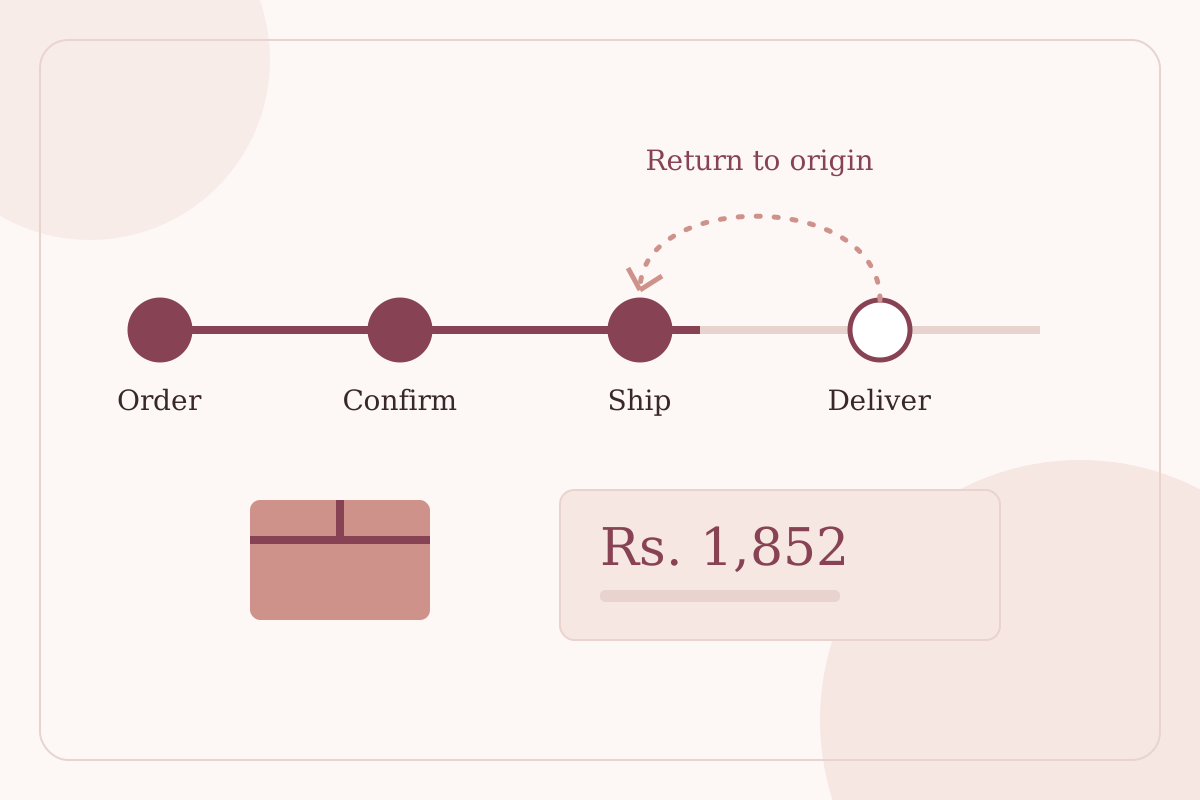
Cash on delivery and RTO: build a clear operational workflow
A practical Indian D2C guide to COD order review, fulfilment communication and return-to-origin records without misleading payment or refund states.
Read the guide