

A practical replenishment routine for small D2C brands
Replenishment is a decision about the right SKU at the right time, not simply whether a product looks popular. A small, consistent stock review helps a growing brand make purchasing decisions without treating every order as proof of settled demand.
By LeBrands.Store editorial team

Key takeaways
- Review demand at SKU level rather than only by product title.
- Use lead time and a justified buffer to calculate a reorder point.
- Keep damaged stock, returns and unsettled shipments separate from sellable inventory.
Track the combination a customer can actually buy
A product total can hide the fact that its most requested size is unavailable while other sizes remain untouched. Review demand for each sellable combination, including size, colour or pack format where applicable. Keep the SKU identifier consistent between your order records, stock sheet and supplier purchase request.
Record the observation period and any unusual event affecting demand. A promotion, launch or large single purchase can distort a short average. Do not assume that one busy weekend represents a normal month, and do not quietly combine units sold with the number of orders placed.
Calculate stock cover with explicit assumptions
Stock cover estimates how long current sellable units would last at a chosen sales rate. In an illustrative example, 12 units sold over six days gives a rate of two units per day. With 80 sellable units, that rate implies 40 days of cover, before considering reservations or changes in demand.
Treat that figure as an estimate, not a promise. If the rate is zero, do not invent a finite number of days. Review slow-moving stock separately and ask whether the observation period, listing quality or product positioning explains the lack of demand.
Include supplier lead time and a reasoned buffer
A basic reorder point combines expected demand during replenishment lead time with safety stock. At two units per day, a seven-day lead time uses 14 units. Adding six buffer units gives an illustrative reorder point of 20 units. The buffer should reflect your supply variability and service expectations.
Confirm how the supplier defines lead time: production start, dispatch or arrival at your location. Include any relevant quality checks before units become sellable. An inexpensive purchase can still tie up cash if its delivery schedule does not match the rate at which stock is needed.
Separate stock movements before buying again
Choose a regular review day and reconcile physical sellable stock with recorded movements. Keep damaged units, returned items awaiting inspection and unresolved parcels distinct. A return does not become available inventory until your team has received, checked and approved it for resale.
For COD, distinguish an order being placed, dispatched, delivered and financially settled. Use the appropriate operational evidence when forecasting. Keep a note of each reorder decision and its assumptions so you can improve the process without rewriting historical records.
Frequently asked questions
Is a reorder point the same as a purchase quantity?
No. The reorder point indicates when to review replenishment. Purchase quantity also depends on demand, supplier minimums, cash and storage.
Can I treat every returned parcel as available stock?
No. Receive and inspect it first. Damaged, missing or otherwise unsuitable units must not be counted as sellable.
Keep reading
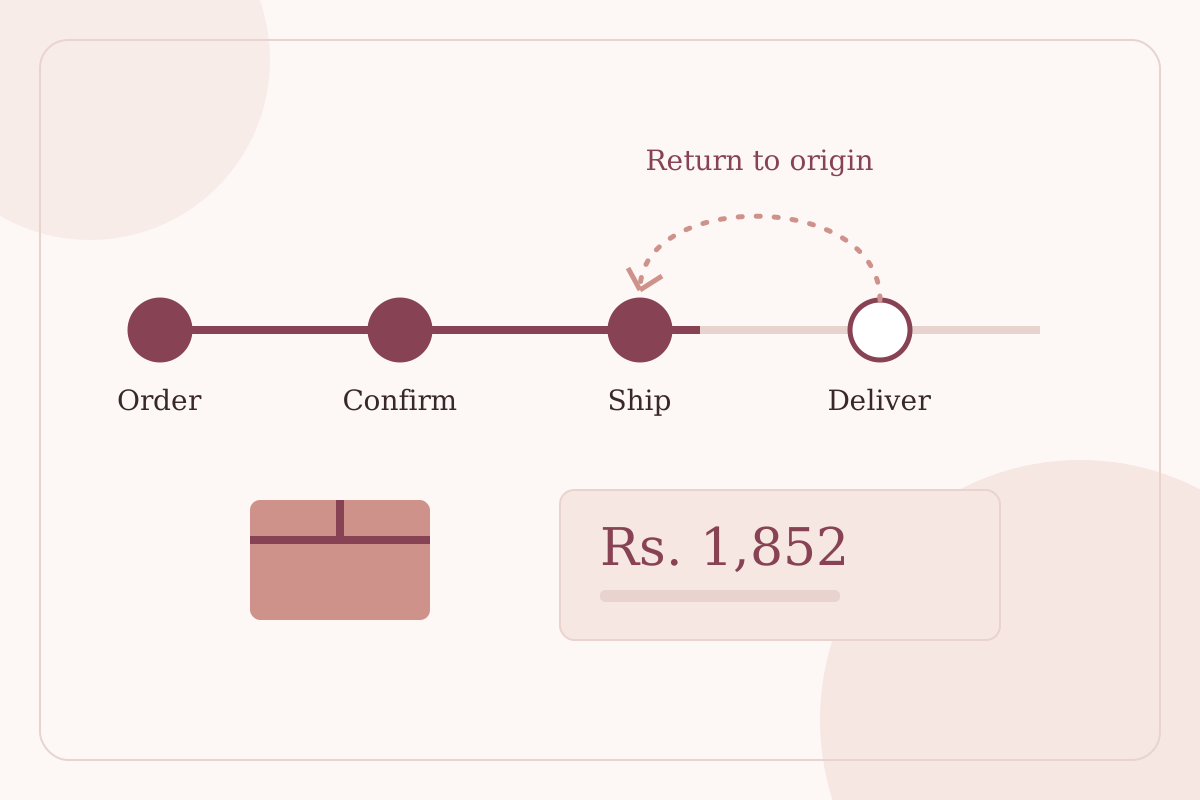
Cash on delivery and RTO: build a clear operational workflow
A practical Indian D2C guide to COD order review, fulfilment communication and return-to-origin records without misleading payment or refund states.
Read the guide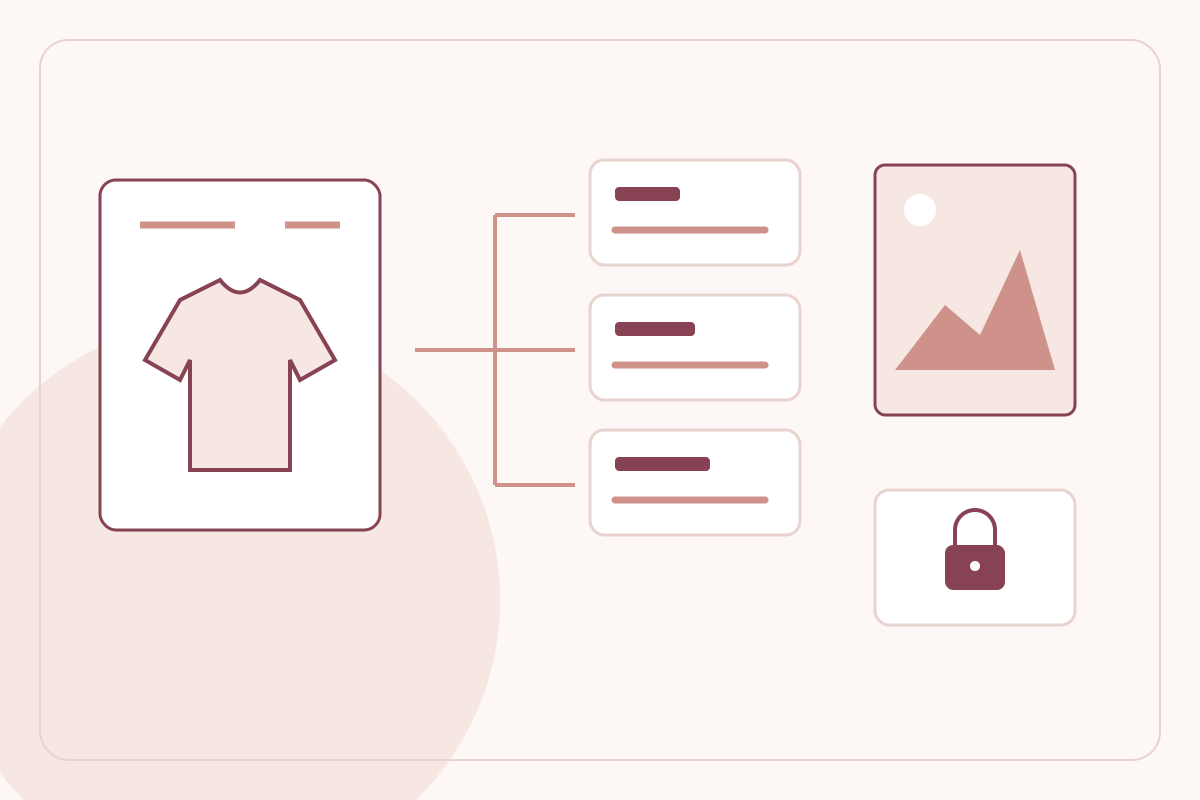
Inside the LeBrands.Store catalogue: products, variants and media
Learn how LeBrands.Store separates product classification, variant options, SKU stock, product media and private cost information.
Read the guide